

Pool safety for visiting grandchildren starts before the family arrives. Along with finding favorite snacks, putting fresh sheets on the bed and making room for toys, take time to prepare the backyard pool at your Pembroke Pines home.
A toddler can be interested in the water during breakfast, while everyone unpacks or after swimming has finished. Your plan needs to cover those ordinary moments as well as time in the pool.
Prepare for visiting grandchildren by checking the routes from your home to the water, making sure the pool barrier is ready and agreeing with the parents about who is supervising. Then arrange the house and patio so the plan is practical to follow. These eight steps will help you prepare for an afternoon visit, regular babysitting or an overnight stay.
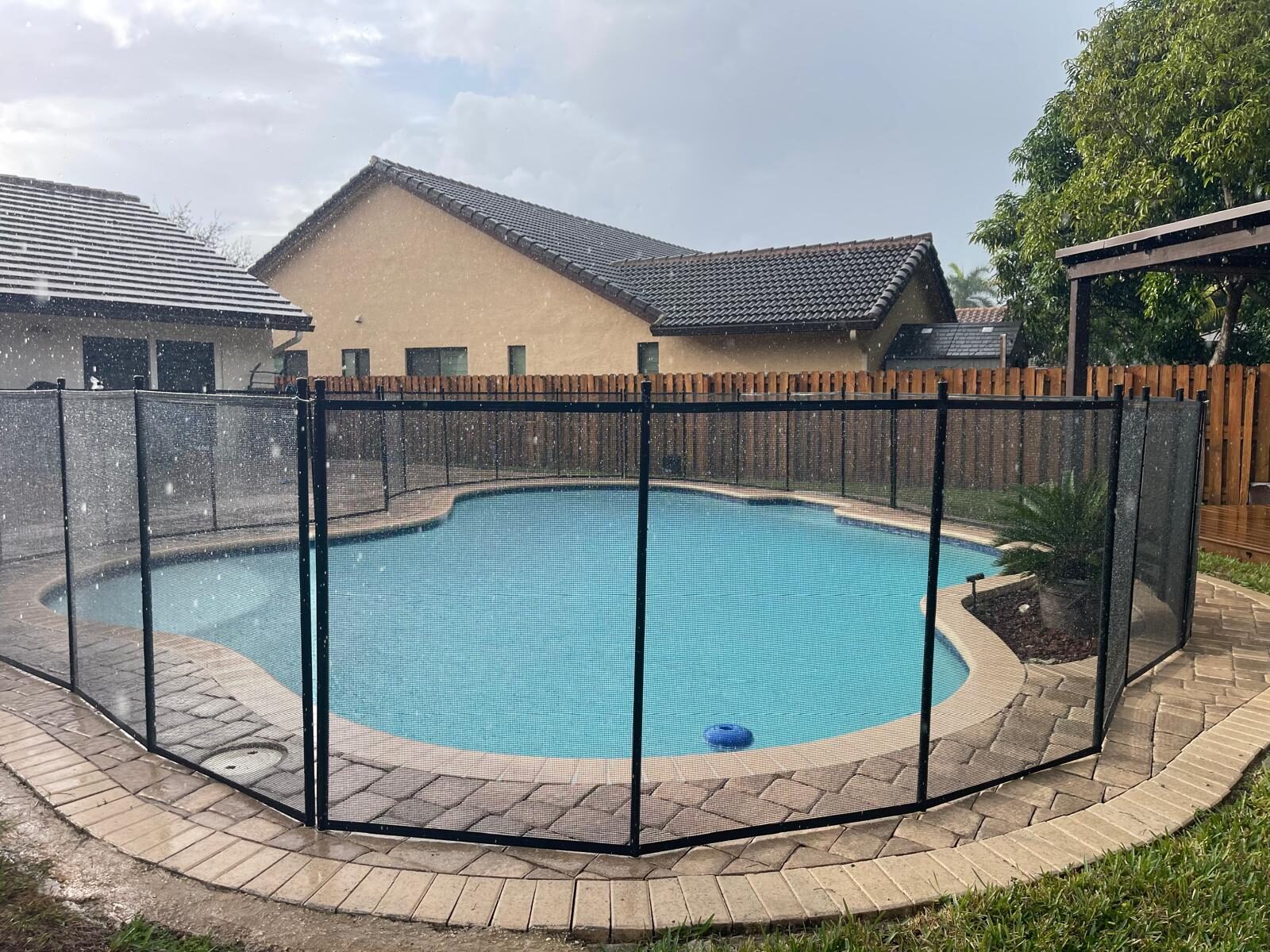
1 Ask What Has Changed for Your Visiting Grandchildren
A home that worked for a crawling grandchild may need another look once that child is walking, climbing or opening doors. Before the visit, ask the parents about what their toddler can do now. A new interest in latches or a habit of following the dog outside is useful information for your household plan.
When preparing for visiting grandchildren, keep the conversation specific:
- Can the child reach or turn door handles that were previously out of reach?
- Have they started moving small chairs or climbing on furniture?
- Do they head toward water when they see it?
- What words do the parents use for stopping and waiting near a pool?
- Will swimming be part of this visit, and which adults will be available?
Agree on the same simple rule for everyone: a child goes into the pool area only with the responsible adult. Older cousins should hear that rule, too. They should not invite a toddler outside or open the gate for them.
Ask about swimming lessons without assuming that lessons make supervision less important. The CDC’s drowning prevention guidance emphasizes that children who have taken lessons still need close, constant supervision around water.
Talk about your own comfort and abilities as well. If you cannot comfortably stay close to the child in the water and respond promptly, arrange for another capable adult to handle swim time. It is reasonable to plan an indoor visit or a different activity when the right help is unavailable.
Before the parents leave, repeat the day’s plan together. For example: lunch indoors, playtime in the living room and no swimming today. The pool still needs to remain secured throughout that visit.
2 Check Backyard Routes Before Visiting Grandchildren Arrive
Walk through the house as visiting grandchildren will use it. Start in the rooms where your grandchild will play, eat and sleep. Follow the doors and passages that lead outside. Include the guest bedroom, bathroom, laundry room, garage and side yard if they provide a route toward the pool.
The question is straightforward: if a child gets through this opening, what prevents the next step toward the water?
Give pet doors particular attention. The U.S. Consumer Product Safety Commission’s residential pool barrier guide warns against pet doors that lead directly to a pool or other backyard water. It also warns that locking the pet door is insufficient and identifies an isolation barrier as an important protection where pet doors are installed.
If your pet door creates an unprotected route to the pool, have that access problem addressed before a toddler visits. A flap that looks small or a lock that adults rarely use should not be the basis of the plan. Until the route is properly protected, arrange to spend time together somewhere without that hazard.
For other exterior doors, check the installed safety hardware and test alarms according to their instructions. Show visiting adults what an alarm sounds like and agree that it requires an immediate response. Keep required emergency exits usable; do not improvise a barricade that prevents adults from leaving safely.
Finally, plan the dog’s routine. Who will take the dog out? Which door will they use? Where will the child be during that trip? Giving one adult the pet task and another the child-supervision task avoids an unclear moment at an open doorway.
3 Check that the pool is separated from family space
A fence around the property does not necessarily separate a toddler inside the home from the pool. Look at the actual path from the house and play area to the water.
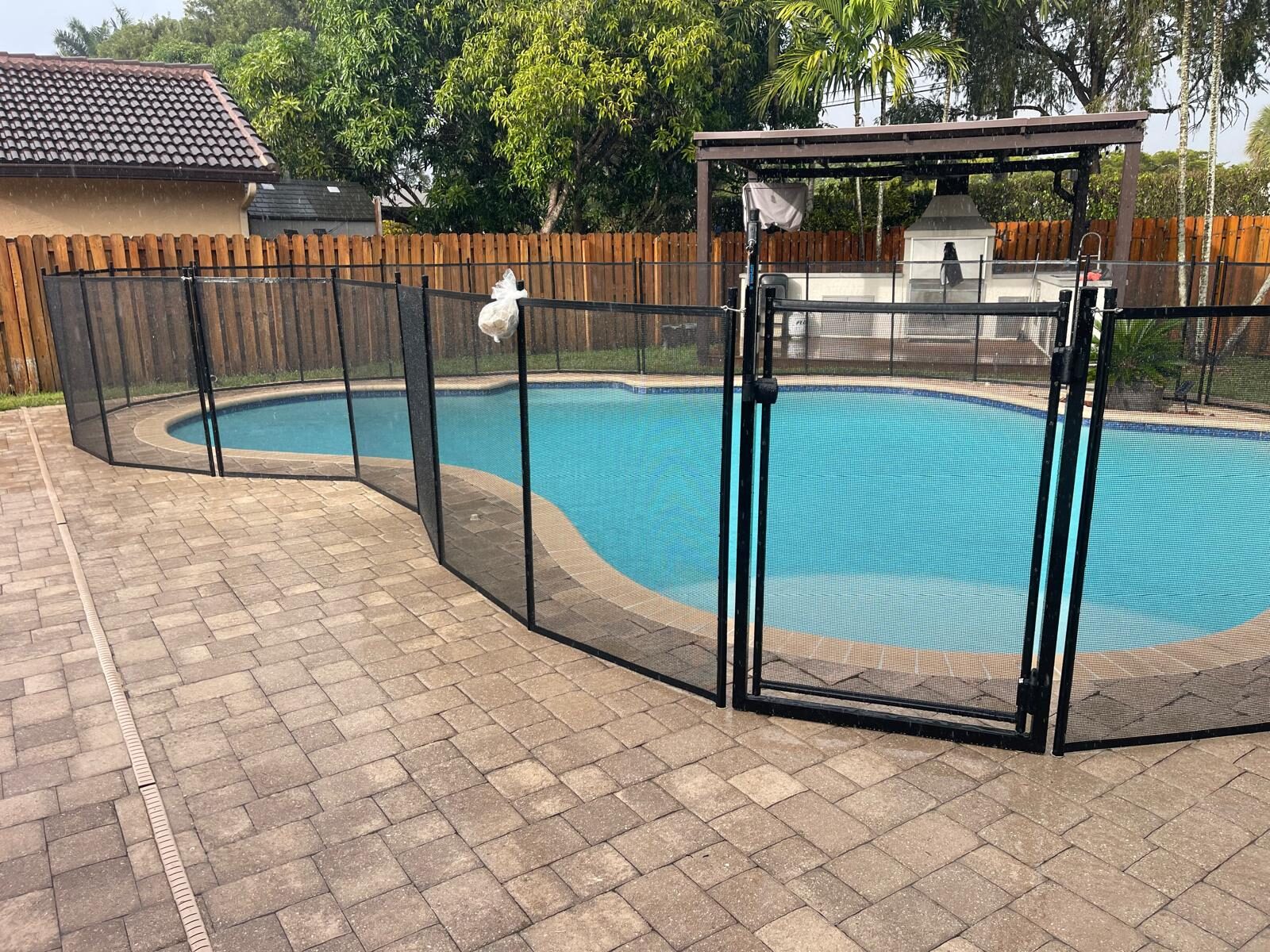
The American Academy of Pediatrics’ advice for grandparents recommends a four-sided pool fence at least four feet high, with a self-closing, self-latching gate. This is safety guidance; requirements for a particular installation should be confirmed with the local building department and the approved plans for the property.
Walk the complete barrier before the visit. Look for an open connection, damaged section, loose component or access route around an end. Move anything obstructing the gate’s movement. Operate the gate according to the manufacturer’s instructions and verify that it closes and latches. A gate that appears closed still needs to be properly secured.
This check should happen while a child is elsewhere with an adult. Never ask your grandchild to test whether they can reach a latch, squeeze through a space or climb a fence.
If you find damage or are uncertain about the layout, arrange an assessment before using the backyard with the child. Avoid temporary fixes that leave you guessing about the barrier’s performance.
A screened patio also deserves a route check. If the child can step out of the house and reach the pool inside the enclosure, the screen does not provide separation between those areas. Our guide to pool fences and screen enclosures in Florida explains why the layout matters.
For a new barrier, Florida Pool Fences offers pool fence installation in Pembroke Pines. Discuss the doors, seating area and everyday family activities when reviewing a proposed layout.
4 Give toys snacks and patio furniture a place away from the barrier
Set up supplies for visiting grandchildren so adults can find what they need without repeatedly opening the pool gate. Put snacks, wipes, spare clothes and dry towels in an accessible place outside the protected pool area. If lunch is on the patio, choose seating that does not interfere with the barrier or gate.
Move chairs, benches, coolers, storage boxes and other climbable items away from the fence. Look again after setting up for visitors. A cooler brought out for lunch or a folding chair added for a guest can change the arrangement you checked earlier.
Choose a separate home for pool toys. The AAP’s toddler water-safety guidance recommends removing toys from the pool area when they are not being used so they do not attract children toward the water. Store floating toys where a child does not need to enter the pool area to reach them.
Keep ordinary playthings in the family’s supervised play space. A ball, ride-on toy or favorite truck should have a parking place away from the pool gate. If something ends up beyond the barrier, an adult retrieves it while another adult stays with the child. A toddler should never be sent through the gate to collect it.
Check smaller water hazards while you are arranging the yard. Empty buckets, small wading pools and containers of melted ice promptly after use, and store them so they cannot refill unnoticed. A separate little pool still requires close adult supervision whenever it contains water.
If you are the only adult, keep your grandchild with you and leave the pool-area cleanup for a time when it can be done safely. A tidy patio is useful, but it should never compete with supervising the child.
5 Make supervision handoffs clear and spoken
Before swim time starts, name the adult responsible for each toddler. The plan should remain clear when relatives arrive, someone brings out food or a phone rings.
Pool Safely’s safety guidance recommends a designated adult water watcher whose attention stays on the children. That adult should not be texting, reading or handling another task while supervising. Keep a phone available for emergencies without using it for ordinary conversations or scrolling.
For toddlers in or near the water, use touch supervision: a capable adult stays within arm’s reach. The AAP’s grandparents guidance applies this even when a grandchild seems to swim well. Watching from a patio chair across the deck does not provide that close supervision.
When adults change places, make the handoff explicit. One adult can say, "Can you take over watching Emma now?" The next adult answers, "Yes, I’m watching Emma," and takes position before the first leaves. If there is no clear answer or the next adult is busy, the original adult remains responsible.
Use the same approach when the child leaves the water. Confirm who is taking them inside to change. Keep track of other children still in the pool, and avoid assuming that the adult collecting towels has also taken over supervision.
When one adult needs the bathroom, needs to cook or needs to answer the front door, the child goes with them unless another capable adult has clearly taken over. An older sibling should not be given responsibility for a toddler’s safety around the pool.
A water-watcher card can help a group remember the assignment, but the spoken exchange matters. Everyone should be able to answer who is supervising without looking around the yard and guessing.
6 Plan Non-Swimming Routines for Visiting Grandchildren
A visiting toddler’s day includes arrivals, naps, meals and departures. Consider each transition before the visit so the pool remains separated from the child’s activities.
At arrival, let one adult greet and supervise the child while another handles bags. Bring luggage through the front entrance when practical. If a backyard door must be used, keep the child with the supervising adult and close it after each trip.
For an overnight visit, discuss the morning routine. Parents and grandparents may wake at different times. Decide which adult will be with the child when they get up, and keep exterior doors and the pool barrier secured. Make breakfast supplies easy to reach without going outside.
Before naps, confirm who remains responsible for the child. Sleeping does not make an open backyard door appropriate. A monitor can help an adult hear a child wake, but it does not prevent access to water.
After swimming, account for every child and move together to the agreed changing or play area. Then restore the pool’s barriers, doors and alarms to their proper condition. The CPSC’s home childproofing guidance specifically calls for reestablishing the pool barrier after each use.
During meals, avoid leaving the pool gate open for convenience. Keep serving dishes outside the protected area so nobody needs to make repeated trips through it.
At departure, keep one adult with the toddler until the parents have clearly taken over. Packing the car, finding a missing shoe and saying goodbye are easier when the child’s supervision has its own assignment.
These routines are especially useful for a visit with no swimming planned. The pool is still present while the family is doing everything else.
7 Prepare an emergency plan that visitors can use
Every adult caring for visiting grandchildren should know what to do if the child is missing or someone needs help in the water. The American Red Cross’s swimming safety guidance says to check the water first if a child is missing. It also recommends having appropriate reaching or throwing equipment, a phone and a first-aid kit available.
Before the visit, put the home’s full street address where a guest can quickly read it. Include any practical directions responders would need to reach the backyard. A relative may know how to drive to your house without remembering the exact address under stress.
Make sure the adults know:
- Where a charged phone is kept and how to call 911
- How to reach the pool through the gate
- Where rescue equipment is located
- Which adult has current CPR and water-rescue training
- Who can supervise the other children while help is being given
Take or refresh a CPR course that includes infants, children and drowning response before you become the regular pool-time caregiver. Discuss safe rescue techniques with a qualified instructor. Reading a checklist cannot replace practicing those skills.
In a drowning emergency, call 911 promptly, follow the dispatcher’s directions and provide rescue and CPR according to your training. Avoid putting yourself in danger during a rescue. For an unresponsive child who is not breathing normally, immediate resuscitation is critical; drowning-response training includes rescue breaths as well as chest compressions. Review the Red Cross’s water emergency guidance as part of your preparation.
If several adults are present, name people for the jobs rather than shouting a general request. One person can call for help while a trained responder gives care and another adult moves other children away from danger.
8 Review pool safety for visiting grandchildren before arrival
Finish the preparation with the parents, ideally before anyone is standing in your doorway with bags and a tired toddler. Explain what you checked and raise anything unresolved.
Use these questions to make the decision:
- Are the routes from the house to the pool properly protected, including any pet-door route?
- Is the barrier complete, with a gate that closes and latches properly?
- Are climbable items and stored toys away from the barrier?
- Can each adult who will care for the child use the doors, alarms and gate correctly?
- Is there a clear supervision plan for swimming and ordinary activities?
- Do the adults know the address, emergency equipment location and response plan?
If an answer is uncertain, deal with that issue before relying on the arrangement. A promise to be extra watchful should not be used to excuse an unresolved access hazard. Depending on the problem, the practical choice may be postponing swimming, changing the visit location or arranging professional work before the child comes over.
For regular visits, keep a short household checklist where the adults will actually use it. Revisit it when the child develops a new skill, you rearrange the patio or your pet’s routine changes. Tell the parents about those changes so everyone’s expectations stay current.
Pool safety for visiting grandchildren works best when the home and the adults’ routines support each other. A complete barrier, clear responsibilities and a prepared household help the family spend less time improvising during a busy visit.
If your Pembroke Pines home needs a pool barrier, explore our pool safety fence options and contact Florida Pool Fences to discuss your yard. Tell us how your grandchildren will use the patio and where adults need to move during the day so those details can be considered in the layout.